 CHINESE
 Call us: +86 18137127719
Focusing on agricultural and chemical products
Integrating research and development, production, sales, and technical services
|
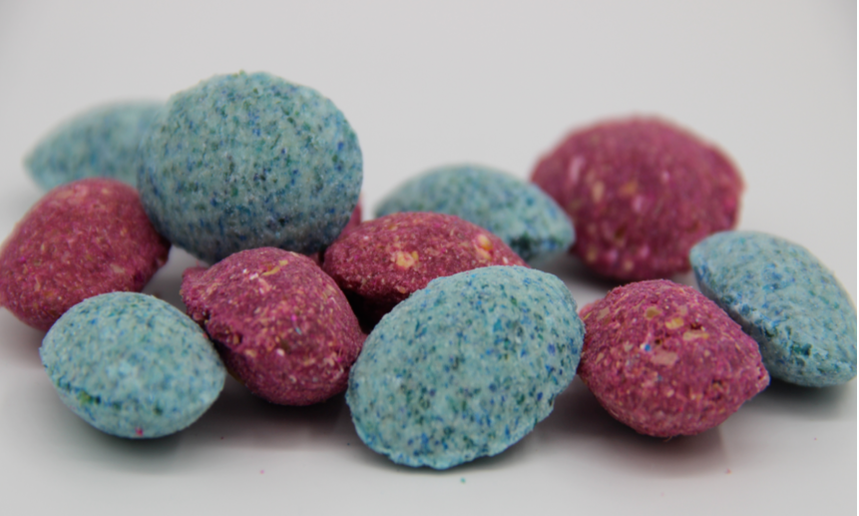
Can rat poison really eliminate rats?Time:2025-12-18 In scenarios such as homes, farmlands, and warehouses, rat poison is often regarded as the "ultimate weapon" against rat infestations, but its actual effects vary significantly due to the type of drug, application methods, and the adaptability of rats. Haizhenwei mouse medicine manufacturer. From acute toxic agents to anticoagulants, from chemical rodent control to comprehensive prevention and control, behind this "human-mouse game" lies a complex biological mechanism and ecological logic. The type of drug determines the efficiency of rat control Rat poison is mainly divided into two categories: acute toxic agents and chronic anticoagulants. Acute toxic agents such as zinc phosphide and sodium fluoroacetate can be lethal within a few hours by interfering with the nervous system or cellular metabolism. However, such drugs are prone to trigger the "bait avoidance behavior" in mice - when a companion shows symptoms such as convulsions and bleeding due to poisoning, the unpoisoned individual will send an alarm through pheromones, causing the entire group of mice to refuse to eat. In addition, acute toxic agents have stable chemical properties and are prone to cause secondary poisoning. For instance, cats and dogs may die after mistakenly eating poisoned mice, and even pollute soil and water sources. China has explicitly prohibited the production and circulation of highly toxic acute rodenticides such as tetramethylamine and fluoroacetamide.
Chronic anticoagulants (such as bromodione and tyron) cause the death of mice due to internal bleeding by inhibiting the vitamin K cycle and disrupting the synthesis of coagulation factors. This type of drug requires multiple ingestion (usually 3 to 7 days) to reach a lethal dose, and the delayed death reduces the vigilance of mice. The second-generation anticoagulants (such as bromodione) remain effective against mouse populations that have developed resistance to the first-generation drugs, and after poisoning, there is a specific antidote vitamin K1, significantly enhancing safety. For instance, the poisoned bait formulated with 0.5% bromodione mother liquor of a certain brand can achieve a control efficiency of over 85% against common domestic rats such as the brown rat and the yellow-throated rat. Second, the "drug resistance evolution" of mice weakens the efficacy of drugs Long-term and single use of the same type of rat poison will accelerate the development of drug resistance in mice. Gene mutation is the core mechanism: the vitamin K epoxide reductase gene (VKORC1) in some mice has mutated, preventing anticoagulants from binding to their targets and thus causing "immune" poisoning. Studies show that in areas where anticoagulants have been continuously used for more than three years, the carrier rate of drug-resistant genes in the brown rat population can increase from 0% to 80%. In addition, the activity of metabolic enzymes in the liver of mice (such as the CYP450 enzyme system) is enhanced, which can accelerate the decomposition of drugs and form a "dual defense". Behavioral adaptability is equally crucial: Mice can quickly identify danger through the "poison test - alertness" mechanism, and when they first come into contact with poisoned bait, they only take a small amount of food and observe the reactions of their peers. Some rats will carry the poisoned bait to their nests or discard it to avoid further contact. In an experiment on a certain farm, the poisoned bait was carried to a hidden place by mice within 24 hours, and the actual amount of food taken was less than 10%. Third, scientific medication and comprehensive prevention and control are the keys To enhance the effectiveness of rat control, efforts should be made from three aspects: Rotation of medication: Change drugs with different mechanisms of action (such as anticoagulants → vitamin D3s → sterile agents) every 3 to 6 months to prevent the accumulation of drug resistance. Precise placement: Determine the activity route through rat track investigation, and use dedicated bait stations to fix toxic baits to prevent them from being transported or swept away. For every 15 to 20 square meters indoors, place 2 piles, each weighing 15 to 20 grams. For farmland, apply 20 to 30 piles per mu, with each pile weighing 15 grams. Environmental management: Reduce other food sources, block rat passages (gaps ≤0.6cm), and use physical means such as mouse traps and sticky mouse boards to reduce reliance on rat poison. Fourth, safety and ethics cannot be ignored The use of rat poison must strictly follow national standards: Select compliant agents such as bromodidione and fluronil, and strictly prohibit the use of unlabeled acute drugs. The poisoned bait should be placed in a concealed location out of reach of children and pets. The remaining poison should be collected 7 days after application. Dead rats should be buried deep or burned to prevent secondary poisoning. If poisoned bait is accidentally ingested, vomiting should be induced immediately and medical attention should be sought. For anticoagulant poisoning, vitamin K1 can be administered intravenously. For neurotoxic drug poisoning, blood purification combined with anticonvulsant drugs is required. Whether rat poison can eliminate rats depends on the type of drug, the usage strategy and the adaptability of the rats. Under the premise of respecting scientific laws, only by combining the rotation of pesticides, precise application and environmental governance for comprehensive prevention and control can the vicious cycle of "the more pesticides are used, the more difficult it is to eliminate" be broken, and safe, long-lasting and efficient control of rodent damage be achieved. |