 CHINESE
 Call us: +86 18137127719
Focusing on agricultural and chemical products
Integrating research and development, production, sales, and technical services
|
|
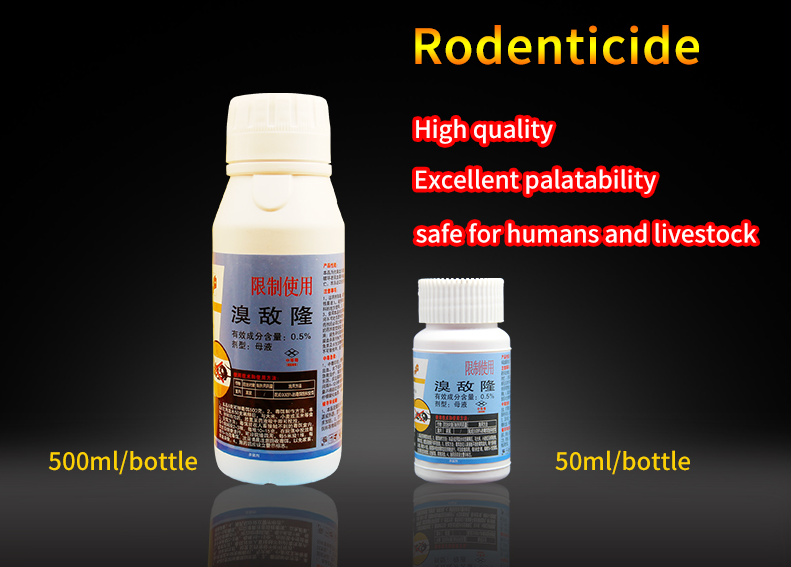
Why do rat poisons need to be protected from direct sunlight?Time:2026-04-01 Mice poison is a commonly used tool for rodent control, but many people may overlook a crucial detail: it needs to be protected from direct sunlight. This requirement is not arbitrary; it is based on a comprehensive consideration of the drug's stability, safety, and effectiveness in controlling rodents. This article will analyze from three perspectives - chemical properties, environmental risks, and actual usage - why mice poison must be "stored in a dark place". 1. Sunlight accelerates the decomposition of drugs, reducing the effectiveness of rodent control The main components of rat poisons are mostly chemical synthetics, such as anticoagulants (brinzolamide, derricam), neurotoxins (fluoroacetamide), or vitamin D3 compounds. These components are extremely sensitive to light. The ultraviolet rays in sunlight can damage their molecular structure, causing the drugs to lose their efficacy. For example, when anticoagulant rat poisons are exposed to ultraviolet light, the active ingredients gradually decompose into non-toxic substances, and the amount of the drug capable of causing the death of rats may only be less than 10%, significantly reducing the effectiveness of rodent control.
Furthermore, direct sunlight can accelerate the aging of drug packaging materials. Plastic bags or paper boxes may become brittle and crack under long-term exposure to sunlight, resulting in drug leakage. This not only wastes resources but also may pollute the environment. II. High temperatures trigger chemical reactions, increasing safety risks Direct sunlight is often accompanied by high temperatures, and rat poison may undergo dangerous changes under such conditions. For instance, certain organophosphorus rat poisons will decompose and produce toxic gases (such as phosphine) at high temperatures. Inhalation by humans or animals may cause dizziness, vomiting, or even suffocation. Moreover, the drugs and packaging materials (such as plastics) may undergo chemical reactions at high temperatures, releasing harmful substances, which further poses a threat to safety. What is even more dangerous is that if the drugs leak and come into contact with flammable materials (such as hay, paper), high temperatures could cause a fire. For instance, zinc phosphide rat poison can spontaneously combust in a humid and hot environment, and there have been cases where warehouse fires occurred due to the exposure of the drugs to the sun. III. Affecting drug stability and shortening shelf life The shelf life of rodenticides is usually determined based on "avoiding light, sealing, and maintaining dryness" storage conditions. Direct sunlight can disrupt this balance and accelerate the deterioration of the drugs. For instance, vitamin D3 type rodenticides will rapidly degrade when exposed to sunlight, and the originally shelf-stable drugs that could last for 2 years may become ineffective within a few months due to excessive exposure. This not only increases the usage cost but also may lead to a resurgence of the rodent problem due to the misuse of ineffective drugs. Furthermore, when drugs deteriorate, they may produce unknown side products, increasing the risk of poisoning in humans and animals if they accidentally consume them. For instance, expired or deteriorated rat poison may become more toxic or have a changed mode of action, making the treatment more difficult. IV. Scientific Storage Recommendations: Cool and Dry is Key To ensure the safety and effectiveness of the rat poison, the following principles should be followed during storage: Protect from light: Store the medicine in a cool place, such as a cabinet or a corner of the warehouse, avoiding direct exposure to sunlight. Sealed packaging: Use the original sealed container to prevent the medicine from getting damp or leaking. Keep away from heat: Avoid placing the medicine near heating elements, stoves, etc. In summer, it can be refrigerated (please confirm if the medicine instructions allow this). Keep out of reach of children and pets: Regardless of whether it is protected from light or not, the medicine should be placed in a high place or in a locked container to prevent accidental ingestion. Although rat poison is small, its storage requires great care. Avoiding direct sunlight is not only to maintain its efficacy but also to prevent potential safety hazards such as fires and poisoning. Scientific storage is essential to ensure that this rat control tool truly achieves its value and protects our personal safety and environmental health. Remember, details determine success or failure. Rats control also requires the "avoiding sunlight" wisdom! |